


The Invisible Heritage

A word, folded into silk
While restoring a Venetian palazzo, in a forgotten chest in the attic, we found workshop notes, cargo registers and a few fragments of fabric that still held a faint shimmer.
One word appeared more than any other, in the margins of the accounts: ormesini.
Silk and essences, a craft
The ormesini were lightweight, lustrous silk taffetas — among the most precious fabrics to travel the Silk Road. They took their name from Hormuz, the port on the strait from which they sailed to Venice in the holds of the mude.
A family of merchants and apothecaries took that name. They did not merely sell: they chose, blended, transformed. They knew an essence could change a room — and the mood of whoever lived in it.

Every essence carries the place it comes from: in incense there is still the wind of a desert, in a drop of rose the garden where it was picked.Antonio Ormesini, apothecary · Venice
Not a founding date. It is the year a young Venetian — Marco Polo — set out from Venice to redraw the map of the known world, retracing the very routes that brought the silks and spices of the Ormesini.
The port that gave us our name
Marco Polo stopped at Hormuz in 1272: a port he described laden with spices, precious stones, pearls and cloth of silk and gold. From that Persian name — armūzī — comes the word we carry today. Damascus gave its name to damask; Hormuz, to ormesino.
A heritage is not seen: it is breathed. Eight centuries of routes and essences, held within a single fragrance.
-
Lavanda di Curzola — Diffuser
Regular price €59,00Regular price €59,00 Sale priceUnit price per -
Gelsomino di Trebisonda — Spray
Regular price €59,00Regular price €59,00 Sale priceUnit price per -
Gelsomino di Trebisonda — Diffuser
Regular price €59,00Regular price €59,00 Sale priceUnit price per -
Gelsomino di Trebisonda — Candle
Regular price €59,00Regular price €59,00 Sale priceUnit price per -
Lavanda di Curzola — Candle
Regular price €59,00Regular price €59,00 Sale priceUnit price per -
Rosa di Cobinan — Diffuser
Regular price €59,00Regular price €59,00 Sale priceUnit price per -
Rosa di Cobinan — Candle
Regular price €59,00Regular price €59,00 Sale priceUnit price per -
Lavanda di Curzola — Spray
Regular price €59,00Regular price €59,00 Sale priceUnit price per -
Zafferano di Ciandù — Diffuser
Regular price €59,00Regular price €59,00 Sale priceUnit price per -
Zafferano di Ciandù — Candle
Regular price €59,00Regular price €59,00 Sale priceUnit price per


All our services
-

Free shipping
Free shipping on orders over €80
-
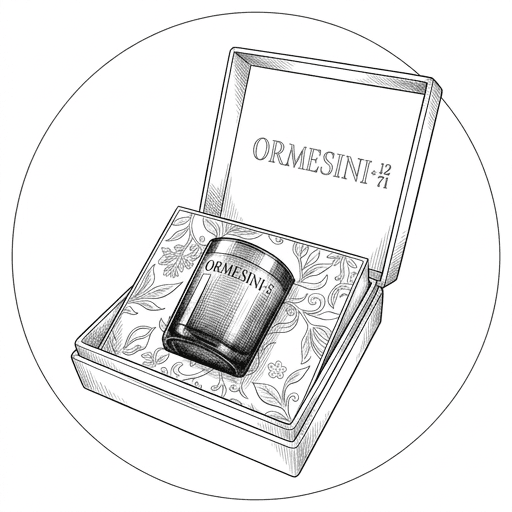
Premium gift box
Ormesini1271 premium box included
-
Try before buying
Try your fragrance at the moment of purchase
-
Free samples
Two samples with every order
-

Free returns
Easy and free returns on all orders
-

Welcome gift
A special welcome gift for new customers
